Healthcare delivery has shifted significantly toward personalized and flexible care models in recent years. Families today prefer medical support that ensures comfort, safety, and cost efficiency without long hospital stays. This shift has made professional in-home medical assistance a reliable alternative for many patients recovering from illness, surgery, or managing long-term conditions.
The demand for structured care at home continues to grow due to rising hospital expenses, shortage of beds, and the emotional comfort patients experience in familiar surroundings. This model is especially effective for elderly individuals and patients requiring continuous monitoring but not critical hospitalization.
What Makes Home-Based Medical Care Effective Today?
Modern home-based healthcare combines clinical expertise with personalized attention. Instead of rotating hospital staff, patients receive dedicated care from trained professionals who focus on individual needs.
This approach improves recovery outcomes in many cases because:
- Patients experience lower stress levels
- Risk of hospital-acquired infections is reduced
- Recovery happens in a familiar environment
- Care plans are more flexible and personalized
It is particularly useful for post-surgery recovery, chronic disease management, and elderly support where long-term attention is required.
Detailed Cost Breakdown of Home Nursing Care
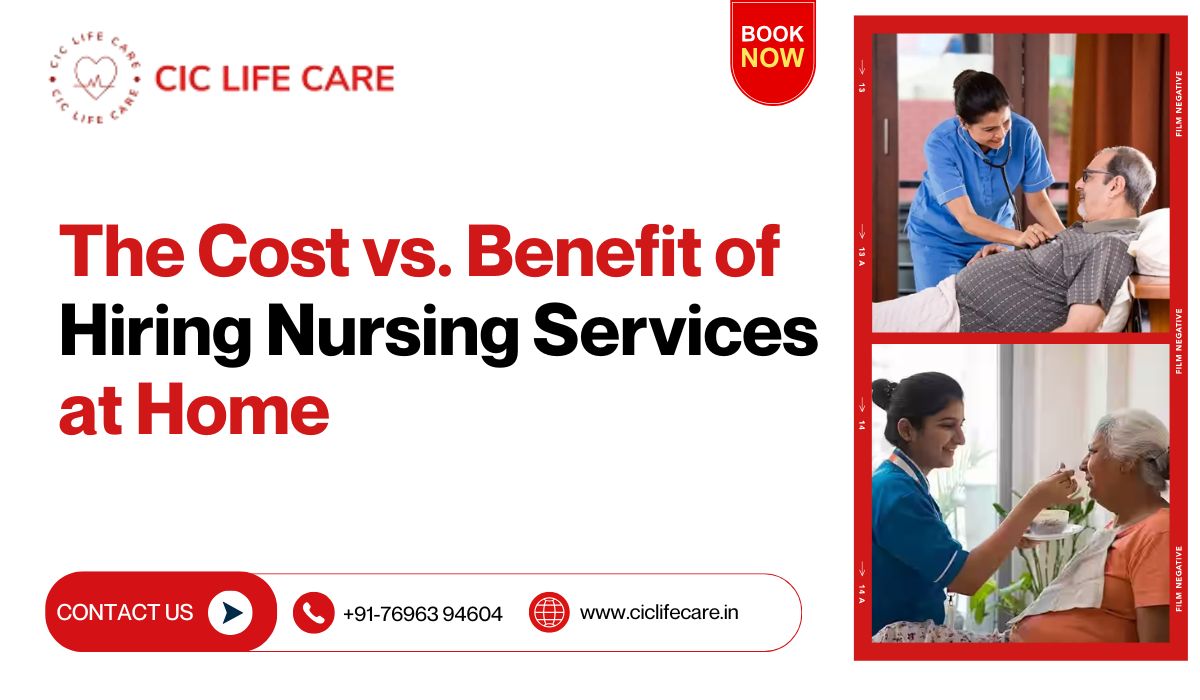
The cost of professional medical care at home varies based on medical complexity, duration, and skill level required. While it may appear similar to hospital expenses at first glance, it often becomes more economical over time due to reduced overhead charges.
Key cost components include:
- Nurse qualification (basic caregiver vs trained nurse)
- Duration of service (hourly, daily, or 24/7 support)
- Medical condition severity
- Equipment requirements (oxygen, monitoring devices, etc.)
- Emergency support needs
Comparative Cost Structure
| Care Type | Hospital Expenses | Home Care Expenses | Key Observation |
| Post-Surgical Recovery | High (room + services) | Moderate | Home reduces overhead costs |
| Chronic Illness Care | Very High | Moderate to Low | Long-term savings significant |
| Elderly Support Care | High | Affordable | Better comfort at lower cost |
| Basic Medical Assistance | Moderate | Lower | Most cost-efficient at home |
Over time, families often save significantly by avoiding unnecessary hospital stays, administrative fees, and repeated diagnostic charges.
Medical and Emotional Benefits of Home Care Services
Beyond financial considerations, home-based care offers strong clinical and emotional advantages. Patients tend to recover faster when surrounded by family and familiar surroundings, which positively impacts mental health.
Key benefits include:
- Personalized medical attention for each patient
- Lower risk of infection exposure
- Faster emotional and psychological recovery
- Flexible scheduling of treatments and monitoring
- Better family involvement in care decisions
For long-term patients, consistent monitoring also helps detect complications early, reducing emergency hospital visits.
Elderly Care Support and Its Real-World Importance
Senior citizens often require continuous assistance due to age-related health issues such as mobility limitations, diabetes, hypertension, or cognitive decline. Institutional care may not always provide emotional comfort or independence.
Home-based elderly support focuses on:
- Daily activity assistance and hygiene care
- Medication reminders and routine monitoring
- Mobility support and fall prevention
- Companionship and emotional well-being
This model improves quality of life by allowing seniors to stay in a familiar environment while still receiving professional support.
Recovery-Focused Patient Care at Home
Patients recovering from surgeries or long-term illnesses often require structured medical attention combined with daily assistance. Patients’ home-based recovery care bridges the gap between hospital discharge and full recovery.
Common services include:
- Wound dressing and infection control
- Injection and IV administration
- Vital sign monitoring (BP, sugar, oxygen levels)
- Physiotherapy and mobility assistance
This approach reduces the chances of hospital readmission and supports a smoother recovery journey.
CIC Life Care Professional Healthcare Support System
CIC Life Care offers structured and reliable in-home healthcare solutions designed to meet both medical and non-medical needs of patients. Their services are focused on delivering professional care in a safe and comfortable home environment.
Their offerings include:
- Skilled nursing assistance
- Elderly support programs
- Post-hospital recovery care
- Long-term patient management solutions
By combining trained professionals with personalized care planning, CIC Life Care helps families manage health conditions more efficiently while maintaining dignity and comfort for patients.
When Home-Based Care Becomes the Better Option?
Choosing home-based medical assistance is often suitable in the following situations:
- After hospital discharge, requiring continued care
- Long-term chronic illness management
- Elderly patients needing daily assistance
- Non-critical conditions requiring monitoring
- Families seeking cost-effective healthcare solutions
In these scenarios, home care provides a balanced combination of medical safety, emotional comfort, and financial practicality.
Long-Term Value of Home Nursing Solutions
The long-term advantage of home-based medical support lies in sustainability. Instead of repeated hospital visits and high recurring costs, families can maintain continuous care within a controlled home environment.
It also promotes:
- Reduced healthcare burden on hospitals
- Better patient satisfaction
- Improved recovery timelines
- Lower overall treatment costs
This makes it a practical healthcare model for modern families.
Frequently Asked Questions
1. What is included in professional home nursing care?
It includes medical assistance such as injections, wound care, monitoring, and daily patient support provided at home.
2. Is home care more affordable than hospital treatment?
Yes, it often reduces costs related to room charges, hospital administration, and repeated diagnostics.
3. Who benefits most from home-based care services?
Elderly patients, post-surgery patients, and individuals with chronic illnesses benefit the most.
4. Is medical care at home safe?
Yes, when provided by trained professionals with proper equipment and protocols, it is considered safe and effective.
5. How does home care improve recovery?
It reduces stress, provides personalized attention, and allows recovery in a comfortable environment, which supports faster healing.