
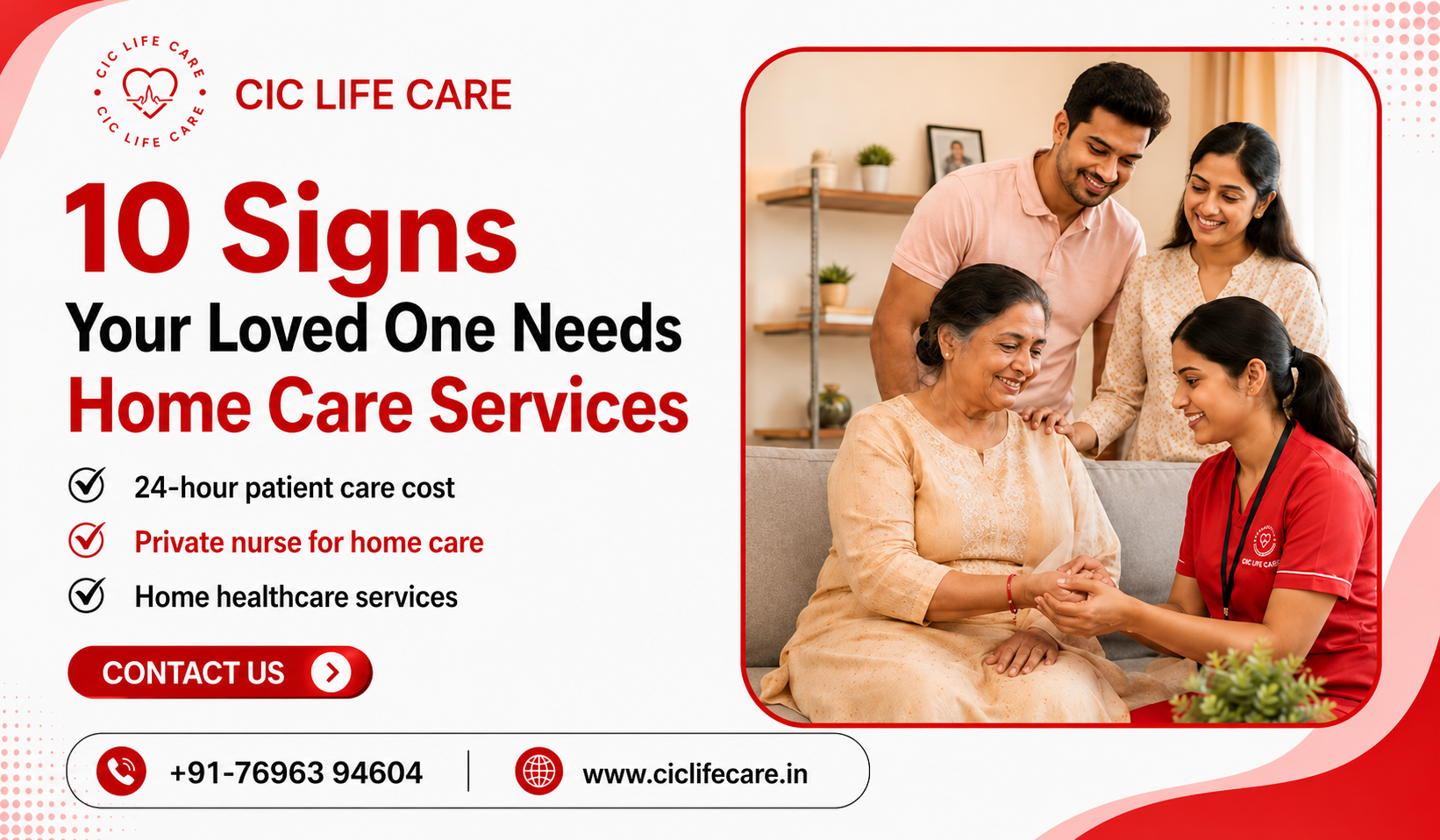
Caring for a loved one is one of the greatest responsibilities in life. Whether it’s an aging parent, a recovering family member, or someone living with a chronic illness, every family wants them to receive the best possible care. However, balancing work, family responsibilities, and caregiving can become overwhelming. That’s where professional home care services can make a meaningful difference.
At CIC Life Care, we understand that recognizing the right time to seek professional care isn’t always easy. Many families wait until an emergency occurs before considering home healthcare. By identifying the early warning signs, you can ensure your loved one receives compassionate, personalized care while remaining comfortable in their own home.
Why Home Care Services Matter
Home care services allow individuals to receive professional medical and non-medical assistance without leaving the comfort of their home. This not only improves their quality of life but also provides peace of mind for family members. Professional caregivers help with daily activities, medication management, mobility support, rehabilitation, and emotional companionship, ensuring that every patient receives the attention they deserve.
1. Difficulty Managing Daily Activities
One of the earliest signs that someone may need home care is struggling with routine daily tasks. Activities such as bathing, dressing, preparing meals, using the restroom, or maintaining personal hygiene may become increasingly difficult. If you notice your loved one skipping meals, wearing the same clothes repeatedly, or avoiding bathing, it may indicate they need professional assistance.
A trained patient care professional can provide respectful support with these daily activities while helping the individual maintain their dignity and independence. Personalized assistance also reduces stress for family caregivers and ensures better overall well-being.
2. Frequent Falls or Mobility Problems
Mobility issues are common among elderly individuals and patients recovering from surgery or illness. Frequent stumbling, difficulty climbing stairs, trouble getting out of bed, or fear of walking alone should never be ignored. Even a minor fall can lead to serious injuries that affect long-term health.
Professional physiotherapist services at home can help improve strength, balance, flexibility, and mobility through customized rehabilitation exercises. Combined with proper mobility assistance, physiotherapy reduces the risk of falls and promotes faster recovery.
3. Chronic Medical Conditions Require Regular Monitoring
Patients suffering from diabetes, hypertension, heart disease, respiratory illnesses, or neurological disorders often require continuous medical monitoring. Managing medications, checking vital signs, administering injections, and tracking symptoms can become challenging for family members without medical training.
Professional nursing services offered by CIC Life Care ensure that qualified nurses provide expert medical care at home. Regular monitoring helps prevent complications, improves recovery, and reduces unnecessary hospital visits while allowing patients to stay comfortable in familiar surroundings.
4. Recovery After Surgery or Hospital Discharge
Returning home after surgery or hospitalization doesn’t mean the recovery process is complete. Many patients continue to require wound dressing, medication administration, mobility support, nutritional guidance, and health monitoring during the healing phase.
Hiring a skilled medical attendant can provide valuable support during this critical period. Medical attendants assist patients with daily care, monitor recovery progress, and coordinate with healthcare professionals whenever necessary. This ensures a smoother transition from hospital to home while minimizing the risk of complications.
5. Memory Loss and Confusion
Occasional forgetfulness is normal with age, but persistent memory problems, confusion, missed medications, or wandering can signal more serious cognitive issues. Family members may notice that their loved one forgets appointments, repeats conversations, leaves appliances running, or struggles to recognize familiar faces.
Professional caregivers provide structured daily routines, medication reminders, emotional reassurance, and constant supervision to help individuals with memory-related conditions live more safely. Home care creates a familiar environment that often reduces anxiety and confusion compared to institutional settings.
6. Family Caregivers Feel Overwhelmed
Caring for someone full-time can be physically exhausting and emotionally draining. Many family caregivers sacrifice their careers, social lives, and personal health while trying to provide continuous support. Over time, caregiver burnout can affect both the caregiver and the patient.
Professional home care allows families to share caregiving responsibilities with experienced professionals. Instead of handling everything alone, families can spend more meaningful time with their loved ones while knowing they are receiving quality care from trained experts.
7. New Mothers and Newborns Need Extra Support
The arrival of a newborn is a joyful experience, but it can also be physically and emotionally demanding. Mothers recovering after childbirth may need assistance with baby care, feeding routines, hygiene, and post-delivery recovery.
Professional new born baby care services provide experienced caregivers who support both the mother and the infant during the early weeks. From maintaining hygiene to helping establish healthy routines, home care ensures a safer and more comfortable environment for the entire family.
8. Seniors Are Living Alone
Many elderly individuals prefer living independently, but isolation can negatively impact both physical and emotional health. If your loved one spends most of the day alone, forgets to eat, struggles with household chores, or rarely interacts with others, they may benefit from professional support.
Dedicated elderly care services provide companionship, assistance with daily routines, medication reminders, meal preparation, and emotional support. Having a compassionate caregiver nearby reduces loneliness while improving safety and overall quality of life.
9. Serious Health Conditions Require Specialized Care
Patients recovering from critical illnesses or living with severe medical conditions often need advanced medical support at home. Conditions requiring ventilator support, continuous monitoring, oxygen therapy, or specialized equipment should only be managed by trained healthcare professionals.
Professional ICU care services at home provide hospital-level support for patients who require intensive monitoring without remaining in a hospital. Skilled nurses and medical professionals ensure continuous observation, helping patients recover comfortably while reducing hospital-associated stress.
Similarly, patients with kidney failure who require regular dialysis can benefit from home-based dialysis support under professional supervision. Home dialysis services reduce travel stress and help patients maintain a better quality of life through personalized care.
10. Increasing Medical Appointments and Health Emergencies
If your loved one is frequently visiting hospitals, experiencing repeated medical emergencies, or requiring constant consultation with specialists, it may be time to consider professional home healthcare.
Access to qualified doctors through home healthcare services ensures timely medical evaluations, treatment planning, and follow-up consultations without the inconvenience of repeated hospital visits. Home doctor visits are especially beneficial for elderly patients, individuals with limited mobility, and those recovering from surgery.
Professional medical supervision at home allows health issues to be identified early, reducing emergency hospital admissions and improving long-term health outcomes.
Benefits of Choosing Professional Home Care Services
Choosing professional home care goes beyond medical assistance. It creates a supportive environment where patients receive personalized attention tailored to their individual needs. Home care encourages independence while providing safety, comfort, and emotional well-being.
With CIC Life Care, every care plan is designed according to the patient’s medical condition, lifestyle, and personal preferences. Whether someone requires short-term recovery support or long-term healthcare assistance, our experienced professionals focus on delivering compassionate, reliable, and high-quality care at home.
Our team includes qualified nurses, experienced caregivers, physiotherapists, medical attendants, doctors, newborn care specialists, elderly caregivers, ICU care professionals, and patient care experts who work together to improve every patient’s quality of life.
Why Families Trust CIC Life Care
Finding the right healthcare provider is an important decision. At CIC Life Care, we believe that every patient deserves compassionate treatment, professional expertise, and personalized attention. Our experienced healthcare team is committed to providing reliable home healthcare services that prioritize safety, comfort, and dignity.
Whether your loved one needs nursing care, physiotherapy, elderly care, patient care, dialysis support, ICU care, newborn baby care, medical attendants, or doctor consultations at home, we strive to deliver healthcare services that families can trust.
Recognizing the early signs that someone needs professional home care can prevent health complications and significantly improve their quality of life. If you notice any of these warning signs, seeking professional support sooner rather than later can make a lasting difference. With compassionate care delivered in the comfort of home, your loved one can enjoy greater independence, better health outcomes, and the reassurance that expert help is always available.
Frequently Asked Questions (FAQs)
1. What are home care services?
Home care services provide medical and non-medical assistance at home, including nursing care, patient care, physiotherapy, elderly care, medical attendants, doctor visits, ICU care, dialysis support, and newborn baby care.
2. How do I know if my loved one needs home care?
Signs include difficulty with daily activities, frequent falls, memory loss, chronic illnesses, post-surgery recovery needs, caregiver burnout, loneliness, and increasing medical emergencies.
3. Are home nursing services better than staying in the hospital?
For many patients who are medically stable, home nursing offers personalized care, greater comfort, lower infection risk, and emotional support while allowing recovery in familiar surroundings.
4. Can physiotherapy be provided at home?
Yes. Professional physiotherapists can visit your home and create personalized rehabilitation programs to improve mobility, strength, pain management, and recovery.
5. Do you provide elderly care services?
Yes. CIC Life Care offers compassionate elderly care services, including personal assistance, medication reminders, companionship, mobility support, and daily living assistance.
6. Is home ICU care safe?
Yes. Home ICU care is provided by trained healthcare professionals using advanced medical equipment and continuous patient monitoring for eligible patients.
7. Can doctors visit patients at home?
Yes. Home doctor visits are available for consultations, health assessments, follow-up care, treatment planning, and ongoing medical supervision.
8. Do you provide care for newborn babies and mothers?
Yes. CIC Life Care provides professional newborn baby care services along with post-delivery support for mothers to ensure safe recovery and proper infant care.
9. What types of patients benefit from home care services?
Home care is suitable for elderly individuals, post-surgery patients, people with chronic illnesses, disabled individuals, newborns, ICU patients, dialysis patients, and anyone needing medical or personal care at home.
10. Why choose CIC Life Care?
CIC Life Care provides experienced healthcare professionals, personalized care plans, compassionate service, and a wide range of home healthcare solutions designed to improve comfort, safety, and quality of life for every patient.