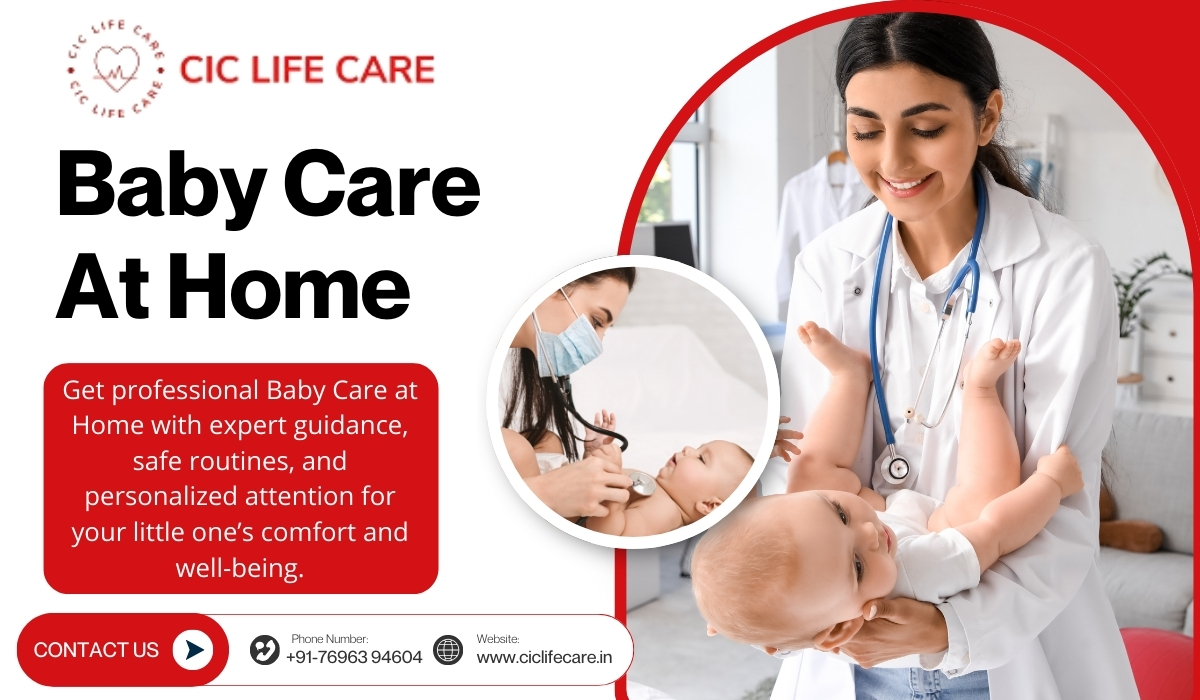
Understanding the Growing Demand for Baby Care at Home
Baby care at home has become an increasingly preferred choice for modern parents who want personalized attention and comfort for their newborns. With changing family structures and busy lifestyles, many parents find it difficult to manage round-the-clock baby needs alone. Home-based care allows infants to remain in a familiar environment while receiving professional support. This approach focuses on hygiene, safety, emotional bonding, and routine care, helping both babies and parents feel more secure and supported during early development stages.
Why Parents Are Choosing Baby Care Services at Home?
Parents today are more conscious about their child’s health, hygiene, and emotional well-being. Baby care services at home offer customized care plans that match a baby’s unique needs rather than a one-size-fits-all solution.
From feeding support to sleep routines, everything is handled with close attention. Home care also reduces exposure to infections commonly found in crowded facilities. For working parents or first-time caregivers, professional baby care services provide reassurance and reduce stress significantly.
The Role of a Nurse for Baby Care in Daily Routines
A trained nurse for baby care plays a vital role in maintaining a newborn’s daily routine. These professionals are skilled in handling feeding schedules, diaper changes, bathing, and sleep monitoring. Beyond physical care, they observe developmental milestones and identify early signs of discomfort or health issues. Their experience helps parents understand their baby’s needs better, creating a supportive environment where learning and confidence grow naturally within the family.
Newborn Baby Care Services for Early Development Support
Newborn baby care services focus on the most delicate phase of a child’s life. During the first few months, babies require constant attention, warmth, and gentle handling. Professional caregivers assist with breastfeeding support, proper burping techniques, safe sleeping positions, and hygiene maintenance.
These services also guide parents on vaccination schedules and growth patterns. Having expert assistance at home ensures that newborns receive attentive care while parents gain valuable knowledge and peace of mind.
Emotional Comfort and Safety in Home-Based Baby Care
One of the strongest advantages of baby care at home is emotional security. Babies respond positively to familiar surroundings, familiar voices, and consistent routines. Home-based care minimizes stress caused by environmental changes and supports emotional bonding with parents.
When a baby feels safe and calm, feeding improves, sleep becomes more regular, and overall development progresses smoothly. This emotional stability is difficult to replicate in external care settings.
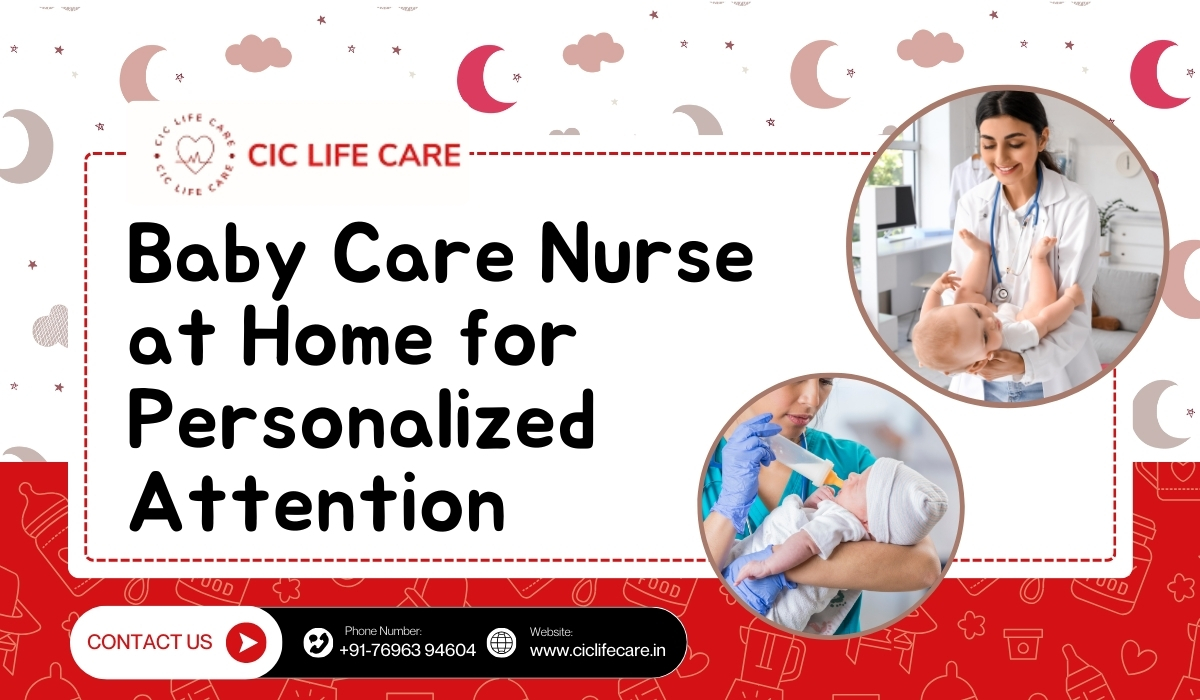
Baby Care Nurse at Home for Personalized Attention
A baby care nurse at home provides focused, one-on-one attention that is tailored specifically to the child. Unlike shared care environments, home care ensures the baby’s routine is not disrupted by others. Nurses adapt their approach based on the baby’s habits, health conditions, and parental preferences. This personalized attention helps build trust between the caregiver, baby, and family, resulting in better care outcomes and stronger emotional connections.
How Does Baby Care at Home Supports Working Parents?
Balancing work and parenting can be overwhelming, especially during the early months. Baby care at home offers much-needed support by managing essential tasks while parents attend to professional responsibilities. Knowing that a trained caregiver is present reduces anxiety and allows parents to focus better on work. It also helps maintain a healthy work-life balance without compromising the baby’s comfort, routine, or safety.
Comparing Baby Care at Home With Daycare Options
While daycare centers offer social interaction, they may not suit very young infants who require constant monitoring. Infant care at home provides individualized care without exposure to infections or overstimulation.
Daycare schedules may not align with a baby’s natural rhythm, whereas home care adapts to the child’s pace. For newborns and infants, home-based care often proves to be a safer and more nurturing option during early developmental stages.
Hygiene and Health Benefits of Home Baby Care
Maintaining hygiene is critical for infants with developing immune systems. Home newborn care reduces contact with multiple caregivers and shared spaces, lowering the risk of illness. Caregivers follow strict hygiene practices tailored to the household environment. Regular cleaning, sanitized feeding equipment, and proper handling techniques contribute to better health outcomes. Parents also receive guidance on maintaining cleanliness standards that support long-term wellness.
Cost Considerations and Long-Term Value of Home Care
While infant care at home may appear costly initially, it offers long-term value through quality care and reduced medical risks. Personalized attention often prevents common health issues, saving on medical expenses later. Parents also benefit from learning proper care techniques, reducing dependency over time. When evaluating cost versus value, many families find home care to be a worthwhile investment in their baby’s health and development.
Building Parental Confidence Through Professional Support
Professional caregivers not only care for babies but also empower parents. By observing and guiding parents through daily routines, they help build confidence in handling newborn responsibilities. Over time, parents become more comfortable managing feeding, sleep, and hygiene independently. This transfer of knowledge is one of the most valuable benefits of baby care at home, ensuring long-term positive outcomes for the family.
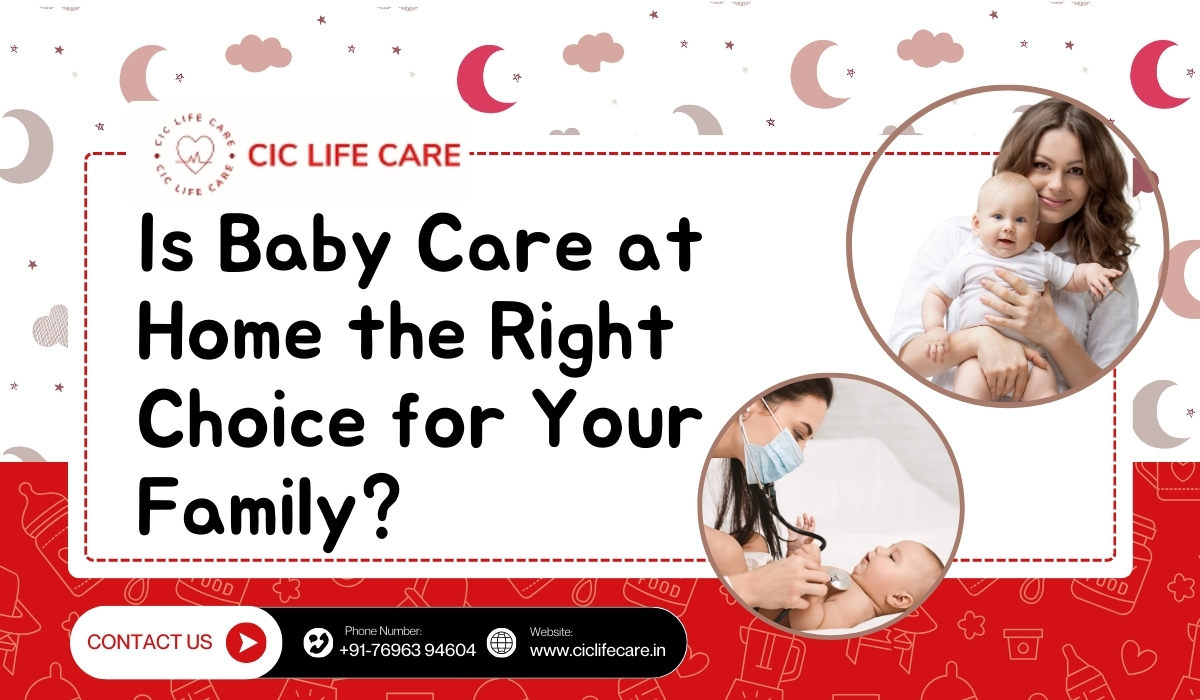
Is Baby Care at Home the Right Choice for Your Family?
Choosing baby care depends on family needs, lifestyle, and comfort level. For parents seeking flexibility, emotional security, and personalized attention, home care can be an ideal solution. Families who value safety, hygiene, and expert guidance often find this option more aligned with their expectations. Trusted providers like CIC Life Care focus on professional standards while respecting family values, making home care a dependable choice for many households.
Final Thoughts on Baby Care at Home Worthiness
Baby care at home offers a balanced approach combining professional expertise with the comfort of a familiar environment. It supports newborn development, reduces parental stress, and ensures consistent routines. While every family’s needs differ, home-based care continues to gain popularity due to its flexibility and personalized nature. With the right caregiver and guidance from experienced services such as CIC Life Care, parents can confidently provide their baby with a nurturing and secure start in life.
FAQs
1. Is baby care at home safe for newborns?
Yes, baby care at home is safe when provided by trained professionals who follow proper hygiene and safety protocols.
2. What does a baby care nurse at home do daily?
A baby care nurse assists with feeding, bathing, sleep routines, hygiene, and monitors the baby’s health and development.
3. Are newborn baby care services suitable for first-time parents?
Absolutely. These services help first-time parents learn proper care techniques while ensuring the baby receives expert attention.
4. How long can baby care services be hired?
Baby care services can be arranged short-term or long-term depending on family needs and the baby’s growth stage.
5. Does baby care at home help working parents?
Yes, it allows working parents to manage their responsibilities while ensuring their baby is cared for safely at home.