
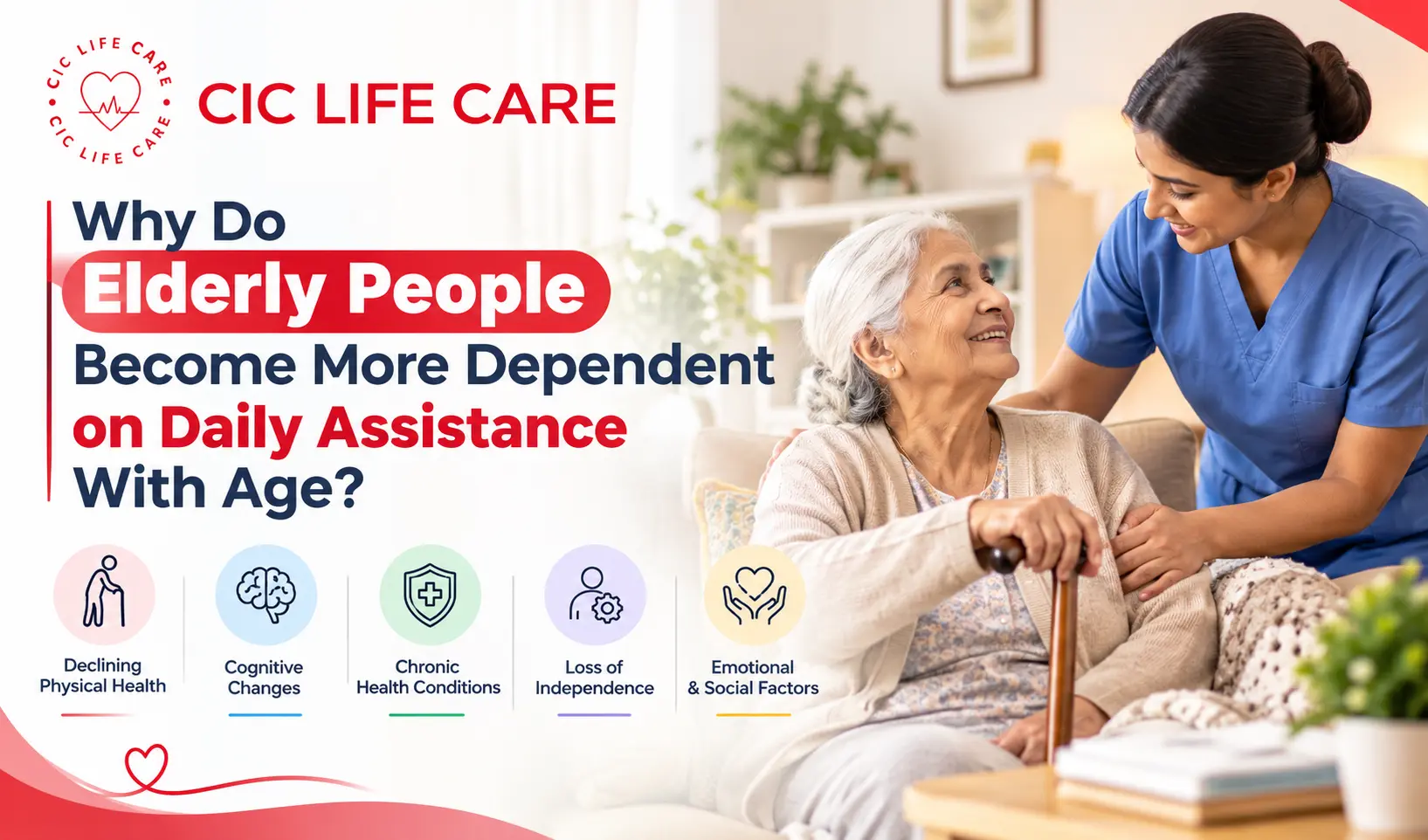
As people grow older, everyday activities such as bathing, dressing, preparing meals, walking, and managing medications can gradually become more challenging. Elderly People Care becomes increasingly important when age-related physical changes, long-term health conditions, or memory difficulties affect a person’s ability to manage daily life independently. Understanding these changes helps families provide appropriate support while protecting an older adult’s dignity, comfort, and independence.
Growing older does not automatically mean becoming dependent. Many seniors remain active and independent well into later life. However, when physical strength, balance, sensory abilities, or cognitive function decline, even familiar routines may require additional time, assistance, or professional care.
How Does Ageing Affect Daily Independence?
Ageing affects people differently. Some older adults experience gradual changes over many years, while others need additional support following an illness, injury, or hospital stay.
Several age-related changes can make daily activities more demanding.
Reduced Muscle Strength and Physical Stamina
Muscle mass and strength tend to decrease with age, particularly when physical activity becomes limited. Tasks such as climbing stairs, carrying groceries, standing for extended periods, or getting up from a chair may become difficult.
Reduced stamina can also make older adults tired more quickly. They may begin to avoid activities that previously felt routine, increasing their reliance on family members or caregivers.
Changes in Balance and Mobility
Age-related changes in balance, joint flexibility, and reaction time can make walking and moving around less secure. Arthritis, osteoporosis, and other medical conditions may add to these difficulties.
An older person who worries about falling may stop bathing without assistance, avoid outdoor activities, or ask someone to accompany them while walking. Appropriate mobility support and a safer living environment can help maintain confidence.
Changes in Vision and Hearing
Reduced vision or hearing can affect everyday independence in less obvious ways. Reading medicine labels, identifying objects, hearing instructions, using household appliances, and communicating with family members may become more difficult.
Regular eye and hearing assessments, suitable corrective devices, good lighting, and clear communication can help older adults continue performing familiar activities safely.
Which Health Conditions Increase Care Needs?
Ageing is not a disease, but the likelihood of developing certain health conditions increases over time. These conditions can affect how much assistance a person needs at home.
Chronic Illnesses and Persistent Pain
Conditions such as arthritis, diabetes, heart disease, and chronic respiratory illnesses may limit movement, energy, or endurance. Pain and breathlessness can make household tasks and personal care more challenging.
Some seniors also manage several health conditions simultaneously. Coordinating appointments, following treatment instructions, and maintaining everyday routines can become difficult without reliable support.
Recovery After Illness, Surgery, or Hospitalisation
A hospital stay can leave an older adult temporarily weaker or less mobile than before. Reduced activity, pain, disrupted sleep, and changes in appetite may slow the return to normal routines.
During recovery, a person may need help with dressing, preparing meals, moving safely, attending appointments, or following a prescribed rehabilitation plan. The level of support should match the person’s medical instructions and changing abilities.
Neurological Conditions and Memory Changes
Conditions such as dementia, Parkinson’s disease, and stroke-related disabilities may affect memory, coordination, communication, or movement.
A senior experiencing cognitive changes may forget appointments, become confused about familiar tasks, or need reminders about everyday routines. More advanced difficulties may require supervision to reduce risks and maintain personal well-being.
Not every instance of forgetfulness indicates dementia. Sudden confusion or a rapid change in behaviour requires prompt medical assessment because it may signal an urgent health problem.
Why Do Everyday Personal Tasks Become Difficult?
A major reason families seek elderly people care is that several small difficulties can gradually combine to affect a person’s daily routine.
Activities that once required little thought may involve greater physical effort, concentration, or safety awareness.
Bathing, Dressing, and Personal Hygiene
Getting into a bathtub, standing in a shower, reaching the feet, or fastening buttons can become challenging when mobility, flexibility, or hand strength declines.
Some older adults may delay bathing because they fear slipping or feel uncomfortable asking for help. Respectful personal care can make these activities safer while preserving privacy and choice.
Cooking, Eating, and Household Activities
Preparing meals involves standing, handling kitchen equipment, remembering cooking steps, and carrying hot food. These activities may become difficult for someone with weakness, tremors, vision problems, or memory impairment.
Caregivers can assist with meal preparation, grocery shopping, light housekeeping, and maintaining regular meal routines. If swallowing difficulties or unexplained weight loss develop, medical advice is important.
Medication and Appointment Management
Managing several medicines can become complicated when prescriptions change frequently or instructions differ. Poor vision, memory difficulties, and complex schedules may increase the risk of missed or incorrect doses.
Families can help maintain an updated medication list, organise appointments, and follow instructions from healthcare professionals. Caregivers should not change prescribed doses or treatment plans without appropriate medical guidance.
How Can Emotional Changes Affect Independence?
Physical health is only one part of ageing. Emotional well-being, confidence, and social connection also influence how comfortably an older adult manages daily life.
Loneliness and Reduced Social Interaction
Retirement, bereavement, reduced mobility, or living away from family can limit social contact. Loneliness may contribute to low mood, reduced motivation, and less participation in everyday activities.
Regular conversation, shared meals, hobbies, and opportunities to connect with friends can help older adults remain engaged. Companion care can provide additional social interaction when family members are unavailable.
Fear of Falling or Making Mistakes
After a fall or a difficult health episode, some seniors become hesitant to walk, bathe, or perform tasks alone. Although caution can be sensible, excessive fear may lead to inactivity and further loss of strength.
Families can encourage safe participation in daily routines and seek professional advice about mobility aids, physiotherapy, and fall prevention when appropriate.
Loss of Confidence and Control
Needing help with personal activities can feel frustrating or embarrassing. Older adults may resist assistance if they believe it means losing their independence.
Offering choices, asking permission before helping, and allowing enough time for tasks can make support feel collaborative rather than restrictive.
What Signs Suggest an Older Adult Needs More Help?
Families may notice gradual changes before an older person openly asks for assistance. Recognising these signs early can help prevent avoidable difficulties.
| Signs to notice | Possible concern | Helpful next step |
| Difficulty standing or walking | Reduced strength, pain, or balance problems | Arrange a medical assessment and review mobility support |
| Missed meals or unexplained weight loss | Difficulty cooking, poor appetite, or illness | Discuss nutrition and health concerns with a clinician |
| Missed medicines or appointments | Memory, vision, or organisational difficulties | Establish a supervised routine and review medication needs |
| Declining personal hygiene | Mobility limitations, pain, or fear of falling | Offer respectful personal care and assess bathroom safety |
| Increasing isolation or low mood | Loneliness or emotional distress | Encourage social contact and seek professional support when needed |
| Repeated falls or near-falls | Increased risk of injury | Seek medical advice and review the home environment |
A gradual change in ability deserves attention, even when the person does not have a diagnosed medical condition. Sudden weakness, new confusion, chest pain, severe breathlessness, or sudden difficulty speaking requires urgent medical evaluation.
How Can Families Support Healthy Independence?
The aim of elderly care is not to take over every activity. It is to help older adults do as much as they safely can while providing assistance where necessary.
Encourage Safe Movement and Everyday Activity
Where medically appropriate, regular walking, suitable strength exercises, balance activities, and movement throughout the day can help maintain physical function. A doctor or physiotherapist can recommend activities based on the individual’s abilities and health conditions.
Families should avoid pushing seniors into activities that cause pain, dizziness, or unsafe exertion.
Adapt the Home to Changing Needs
Small changes can make daily life easier. Depending on the person’s needs, families may consider:
- Installing grab bars near toilets and bathing areas.
- Improving lighting in hallways, bedrooms, and stairways.
- Removing loose rugs and reducing clutter on walking routes.
- Keeping commonly used items within easy reach.
- Using appropriate walking aids recommended by a professional.
These adjustments can support independence without making the home feel unfamiliar or institutional.
Maintain Nutrition, Hydration, and Routine
Balanced meals, adequate fluids, sufficient sleep, and consistent daily routines support general well-being. Families can help by preparing suitable meals, keeping water accessible, and arranging reminders where needed.
Changes in appetite, swallowing, hydration, or sleep should not automatically be attributed to ageing. Persistent or sudden changes may require medical evaluation.
Respect Preferences and Involve Older Adults
Ask seniors which tasks they find difficult and what kind of help they would prefer. Allowing them to choose when and how assistance is provided can preserve a sense of control.
For example, a caregiver might help prepare breakfast while allowing the older adult to choose their clothes, participate in grooming, or complete other activities independently.
When Should Families Consider Professional Elder Care?
Family support may be sufficient when an older adult needs occasional assistance. However, professional help may become useful when care requirements increase, family schedules are demanding, or the person needs consistent supervision and practical support.
Consider arranging additional care when:
- Daily personal care becomes difficult to manage safely.
- Family members cannot consistently meet the person’s care needs.
- An older adult needs regular companionship or help with household routines.
- Mobility limitations make everyday activities more challenging.
- A person needs assistance following hospital discharge or a clinician-directed care plan.
The appropriate service depends on the individual’s condition. Companion care can support social interaction and everyday routines, while personal care can assist with activities such as bathing, dressing, and mobility. Medical needs may require qualified nursing or other healthcare professionals.
At CIC Life Care, families can discuss their requirements and explore suitable in-home companion and personal care support. A care arrangement should reflect the senior’s needs, preferences, and level of independence rather than assuming every older adult requires the same type of assistance.
How Can Elderly People Care Improve Quality of Life?
Effective elderly people care combines practical assistance with respect, patience, and attention to individual needs. The right support can help seniors maintain familiar routines, participate in meaningful activities, and feel more comfortable in their own homes.
A consistent care routine may also help families notice changes in mobility, appetite, mood, or daily functioning sooner. These observations can support timely communication with healthcare professionals.
Care plans should remain flexible. An older adult who needs help with bathing today may still be able to prepare meals independently, while someone recovering from surgery may need more assistance temporarily and less as their abilities improve.
The goal is to provide the right level of help at the right time while protecting safety, dignity, and personal choice.
Frequently Asked Questions
1. At What Age Do Elderly People Usually Need Daily Assistance?
There is no fixed age when daily assistance becomes necessary. Some people remain independent well into their eighties or beyond, while others need support earlier because of illness, disability, injury, or mobility limitations. Care decisions should be based on individual abilities and needs.
2. Does Needing Help With Daily Activities Mean an Elderly Person Is Unhealthy?
Not necessarily. Some age-related changes can make certain activities more difficult without indicating a serious illness. However, new or worsening limitations should be assessed by a healthcare professional to identify treatable causes and determine suitable support.
3. What Daily Activities May Require Assistance as People Age?
Depending on their abilities, older adults may need help with bathing, dressing, walking, preparing meals, shopping, housekeeping, medication routines, or attending appointments. The type and amount of assistance should be tailored to the individual’s circumstances.
4. How Can Families Encourage Elderly Parents to Accept Care?
Begin by listening to their concerns and explaining how assistance could make specific activities easier or safer. Offer choices, introduce support gradually, and respect their privacy. Involving them in care decisions can reduce resistance and help preserve independence.
5. When Should a Family Arrange Professional Elderly Care at Home?
Professional support may be appropriate when personal care becomes difficult, falls become a concern, daily routines are neglected, or family members cannot provide consistent assistance. Discuss medical concerns with a healthcare professional and choose a care service that matches the older adult’s needs.
Support Your Loved Ones With Compassionate Care
Ageing can change how people manage daily activities, but it does not have to mean losing their independence or dignity. Understanding the reasons behind increasing care needs allows families to respond with patience, practical support, and informed decisions.
CIC Life Care offers in-home companion and personal care support to help families manage everyday care needs. If your loved one needs assistance with daily routines, discuss their requirements with a care team to understand the available options.
Contact CIC Life Care 24/7 at +91 7696394604 to discuss suitable home care support for your family.