
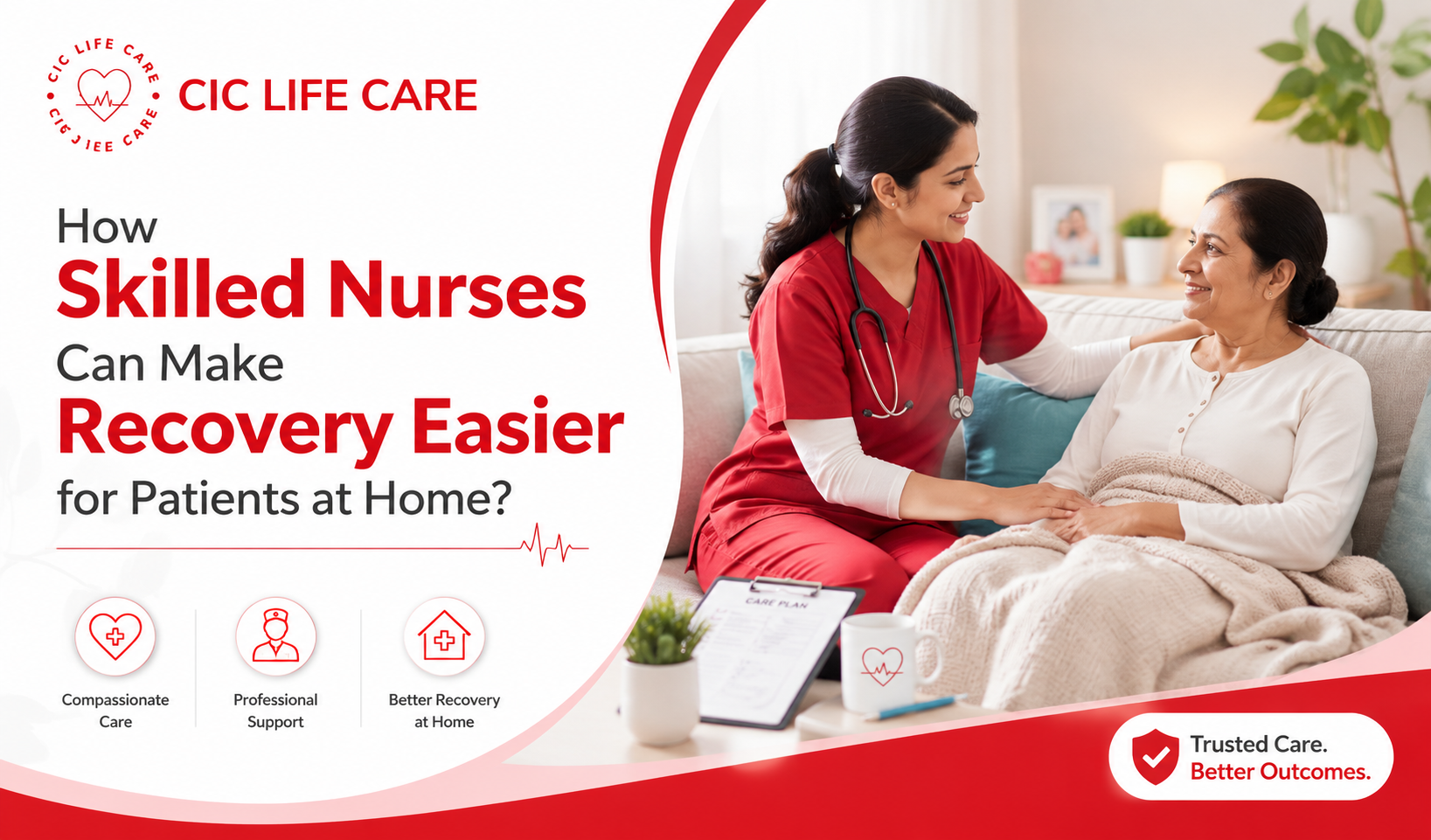
Recovering from an illness, surgery, injury, or long-term health condition can be challenging, especially when a patient needs regular assistance after returning from the hospital. Family members often want to provide the best possible support, but managing medicines, personal care, mobility, wound care, and daily health routines can become difficult alongside work and other responsibilities. Home Nursing Services in Jalandhar can provide professional support at home, allowing patients to receive appropriate nursing assistance while staying in a familiar and comfortable environment.
The Growing Need for Professional Care at Home
Home-based healthcare has become an important option for families who want their loved ones to receive personalized support without unnecessary hospital stays. Recovery is often more comfortable when patients can remain surrounded by family members and familiar surroundings. However, patients recovering from surgery, illness, injury, or chronic health conditions may still require professional attention.
A trained nurse can support the patient according to the care plan provided by the doctor. Depending on individual requirements, this may include monitoring vital signs, assisting with medicines, supporting personal hygiene, helping with mobility, providing wound care, and observing changes in the patient’s condition.
This professional involvement can reduce the pressure on family members while giving patients consistent assistance throughout their recovery journey.
Personalized Nursing Support for Individual Needs
Every patient has different healthcare requirements. A person recovering from a minor procedure may need temporary assistance, while an elderly or bedridden patient may require ongoing support. Professional nursing allows care to be adjusted according to the patient’s condition and prescribed requirements.
A skilled nurse can understand the patient’s routine and provide assistance based on the instructions given by the healthcare team. This personalized approach can make everyday care more organized and can help the patient feel more comfortable during recovery.
Rather than following the same routine for every individual, professional caregivers can focus on the specific needs of each patient. This is particularly valuable for older adults and patients who have limited mobility.
Medication Management During Recovery
Taking medicines at the correct time can be an important part of the recovery process. Patients may sometimes need several medicines throughout the day, and remembering every dose can become difficult, particularly for elderly individuals or people recovering from major procedures.
A professional nurse can assist with medication administration according to the doctor’s prescription. This can help families maintain a consistent medication routine and provide additional supervision during the recovery period.
A nurse does not independently change a patient’s medication or treatment. Instead, the nurse follows the prescribed instructions and communicates relevant concerns to the family or healthcare professional when necessary.
Post-Operative Care Can Become More Manageable
The period following surgery often requires careful attention. Patients may experience weakness, discomfort, restricted movement, or difficulty completing everyday activities independently. Proper post-operative care can support a smoother transition from hospital to home.
A trained nurse may assist with wound care, prescribed medicines, personal hygiene, mobility, nutrition, and regular observation. The exact care provided depends on the patient’s condition and the instructions of the treating doctor.
Having professional assistance during this period can also give family members greater confidence because they do not have to manage every aspect of post-surgical care alone.
Support for Elderly Patients at Home
Older adults may need additional assistance during recovery because of reduced strength, mobility limitations, existing health conditions, or multiple medications. Even simple daily activities can become difficult when a senior is recovering from an illness or surgery.
Professional nursing support can help elderly patients with their daily healthcare routines while allowing them to remain at home. Assistance may include medication support, hygiene, mobility assistance, feeding, monitoring, and other activities according to the individual care plan.
For families, this can provide reassurance that their loved one has someone available to assist with essential care needs when they cannot be present throughout the day.
Assistance for Patients With Limited Mobility
Patients who spend long periods in bed may require regular assistance to remain comfortable and maintain proper hygiene. Limited mobility can make activities such as changing positions, bathing, eating, and moving around the home more difficult.
Professional caregivers can provide appropriate assistance according to the patient’s condition. Regular support can make daily life more manageable while also reducing the physical burden placed on family caregivers.
Patients recovering from major surgery, injuries, neurological conditions, or prolonged illness may particularly benefit from an organized home-care routine.
Wound Care and Hygiene Support
Proper hygiene and wound care can be important components of recovery. Patients with surgical wounds, injuries, or other medical requirements may need professional assistance to maintain appropriate care routines.
A skilled nurse can provide wound-related support according to the prescribed instructions and maintain suitable hygiene practices while performing nursing tasks. This can help families manage care more confidently at home.
Patients and families should always follow the instructions provided by their treating healthcare professional, particularly when caring for wounds or other medical conditions.
Monitoring the Patient’s Condition
Recovery is not always a straight or predictable process. A patient’s condition can change from one day to another, making regular observation valuable. Professional nurses can monitor relevant health indicators according to the prescribed care plan.
They may observe changes in general condition, mobility, appetite, comfort, vital signs, or other aspects relevant to the patient’s care. If something appears concerning, the nurse can communicate the observation to the family or appropriate healthcare professional.
This does not replace medical diagnosis, but it can help families stay informed about the patient’s day-to-day condition.
The Importance of Mobility During Recovery
Maintaining appropriate movement can be an important part of recovery for many patients. Extended bed rest can lead to weakness and reduced independence, while controlled movement may support gradual improvement when recommended by a healthcare professional.
Nurses can assist patients with safe movement and daily activities according to medical instructions. When physiotherapy is recommended, a qualified physiotherapist can provide specialized rehabilitation exercises while nursing professionals continue to manage other aspects of patient care.
The combination of appropriate rehabilitation and professional nursing support can create a more structured recovery environment.
When Specialized Care May Be Required
Some patients have more complex healthcare needs and may require specialized support at home. Patients recovering from serious illness or those with significant medical dependencies may need closer monitoring and specialized nursing assistance.
Depending on the medical situation and availability of appropriate equipment and professionals, services such as ICU care at home may be considered under medical guidance. The suitability of such arrangements should always be evaluated according to the patient’s condition.
Home care is not appropriate for every emergency or serious medical situation. If a patient experiences a life-threatening condition, immediate medical attention should be sought.
How Professional Nurses Support Family Caregivers?
Family members play an important role in a patient’s emotional recovery, but becoming the sole caregiver can be physically and emotionally demanding. Managing professional responsibilities while providing continuous patient care may eventually become difficult.
A professional nurse can take responsibility for appropriate nursing tasks while family members continue to provide companionship and emotional support. This creates a healthier division of responsibilities.
Families can remain involved in important decisions and communicate with the caregiver about the patient’s preferences and routine. Meanwhile, the nurse can focus on professional care responsibilities.
Choosing the Right Home Healthcare Provider
Selecting a suitable healthcare provider is an important decision. Families should consider the patient’s medical condition, the type of assistance required, the expected duration of care, and whether specialized nursing support is necessary.
It is also useful to understand how the provider manages communication, caregiver availability, care planning, and coordination with healthcare professionals. Clear communication from the beginning can help ensure that the patient’s needs are properly understood.
A reliable provider should focus on patient comfort, professional standards, and personalized care rather than offering the same approach to every individual.
How CIC Life Care Supports Patients at Home?
CIC Life Care provides home healthcare support designed around the different needs of patients and families. Its services include nursing care, patient care, elderly care, physiotherapy, medical attendants, doctor visits, ICU care, and other forms of home-based healthcare support.
The appropriate service depends on the patient’s medical condition and the recommendations of the healthcare team. Families can discuss their requirements with the provider to understand what type of professional assistance may be suitable for their loved one.
Why Professional Nursing Can Make Recovery Easier?
The recovery process involves much more than simply taking medicines or attending follow-up appointments. Patients may need assistance with daily activities, hygiene, mobility, nutrition, medication routines, and emotional reassurance.
Professional nursing support can make these responsibilities easier to manage by providing trained assistance at home. Patients can remain close to their families while receiving care that is aligned with their prescribed healthcare plan.
For families searching for Home Nursing Services in Jalandhar, professional support can be especially valuable when a patient requires regular assistance but does not necessarily need to remain in a hospital. The right level of care can help create a safer, more comfortable, and organized recovery environment.
Conclusion
Skilled nursing can play an important role in helping patients recover comfortably at home. From medication assistance and post-operative care to hygiene, mobility support, monitoring, and elderly care, professional nurses can help manage many of the challenges that families face during recovery.
The biggest advantage of professional home care is the combination of personalized attention and familiar surroundings. Patients can stay close to their loved ones while receiving appropriate assistance based on their individual needs. At the same time, family caregivers can focus on providing emotional support rather than carrying the entire responsibility for daily healthcare.
Choosing professional nursing support should always begin with understanding the patient’s condition and discussing the required level of care with qualified healthcare professionals. With the right care plan and dependable support, home can become a comfortable and supportive environment for recovery.
Frequently Asked Questions
What are the benefits of having a skilled nurse at home?
A skilled nurse can provide personalized assistance with prescribed medicines, wound care, hygiene, mobility, vital monitoring, and other nursing requirements. This allows patients to receive professional support while remaining at home.
Who can benefit from nursing care at home?
Patients recovering from surgery, illness, injury, or prolonged hospitalization may benefit from professional nursing assistance. Elderly individuals, bedridden patients, and people requiring regular health monitoring may also need this type of support.
Can a nurse provide post-surgery care at home?
Yes. Depending on the patient’s condition and doctor’s instructions, a nurse can assist with post-operative care such as medication support, wound care, hygiene, mobility, and monitoring.
Can elderly patients receive professional nursing support at home?
Yes. Elderly patients can receive assistance with daily healthcare routines, medication schedules, hygiene, mobility, feeding, and monitoring depending on their individual requirements.
Can home nursing replace hospital treatment?
No. Home nursing is intended for appropriate patients who can safely receive care at home. Patients experiencing emergencies or serious deterioration may require immediate hospital treatment.
How long can a patient receive nursing care at home?
The duration depends on the patient’s condition and care requirements. Some patients may need support for a few days or weeks, while elderly or chronically ill patients may require longer-term assistance.
Can nursing care and physiotherapy be provided together?
Yes, when recommended by healthcare professionals. Nursing care can support the patient’s daily healthcare needs, while physiotherapy focuses on rehabilitation, mobility, and appropriate exercises.
How should families choose a home nursing provider?
Families should consider the patient’s medical requirements, caregiver qualifications, experience, availability, type of care needed, and communication process. The provider should be able to understand and support the patient’s individual care plan.
Is professional nursing suitable for bedridden patients?
Professional nursing can be helpful for bedridden patients who require assistance with hygiene, feeding, repositioning, medication, mobility-related needs, and regular monitoring. The exact care should be based on the patient’s medical condition and prescribed requirements.
What should families discuss before starting home nursing care?
Families should clearly explain the patient’s medical history, current condition, prescribed medicines, mobility level, daily routine, and specific care requirements. Discussing these details in advance helps the provider understand the level of support needed.